May 13, 2025 - CO, UT, WY
In April, regional precipitation was below to much below normal, particularly in eastern Colorado, northern Utah, and southeastern Wyoming, with some areas experiencing record-dry conditions. Temperatures were generally near normal, with some pockets of above normal temperatures scattered throughout the region. As of May 1, statewide percent median SWE was 58% in Colorado, 66% in Utah, and 86% in Wyoming. Seasonal streamflow volume forecasts are mostly below to much below average for the region. Regional drought coverage in late April remained at 54%, with extreme drought developing in Colorado, persisting in Utah, and improving in Wyoming. ENSO-neutral conditions are expected to continue through early fall. The NOAA seasonal outlook for May-July suggests an increased probability of below average precipitation and above average temperatures in the region.
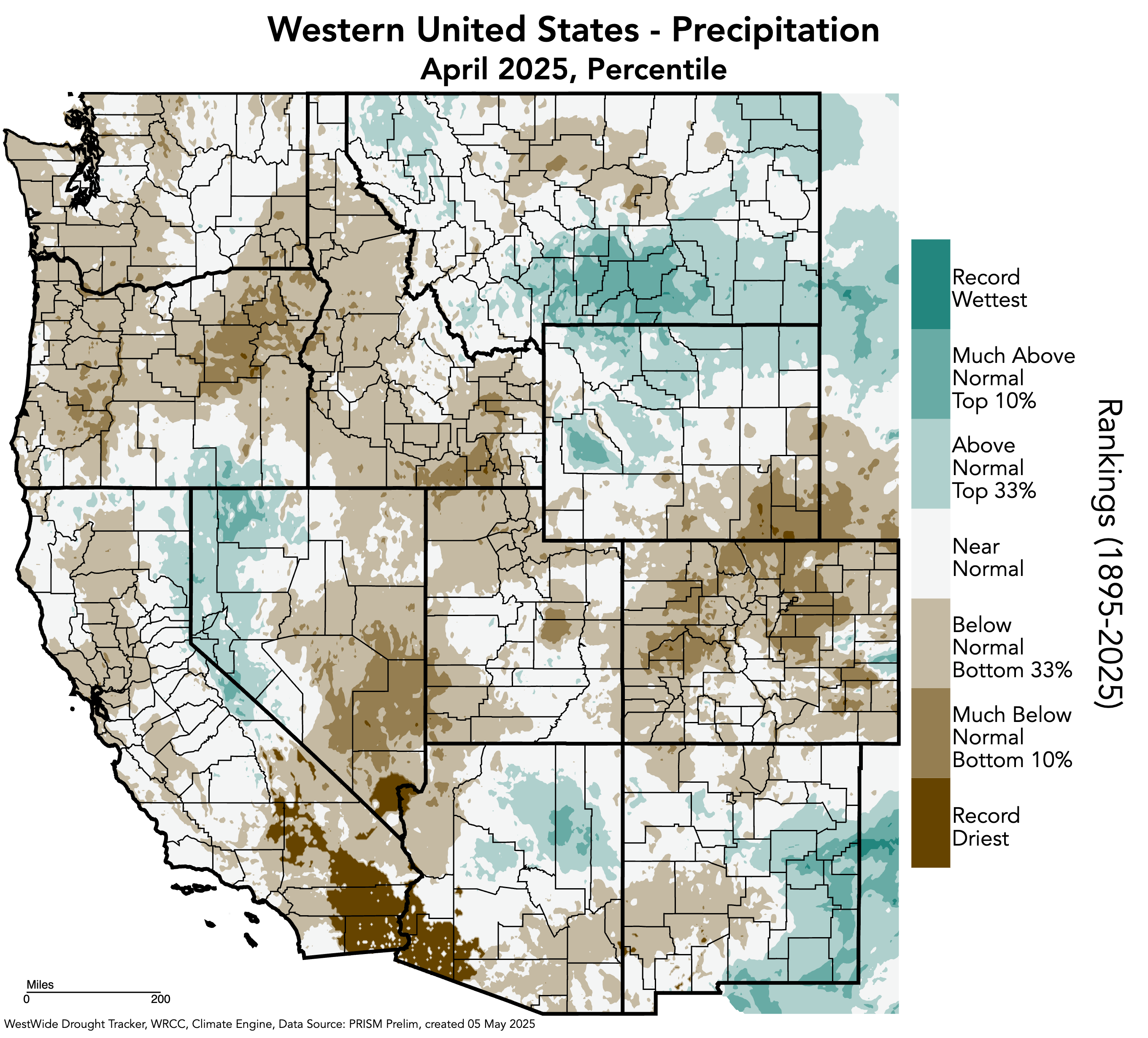
April precipitation was below to much below normal for much of the region, where 25-50% of normal precipitation occurred in the majority of eastern Colorado and in large swaths of western Colorado, northern and southwestern Utah, and southeastern Wyoming. Pockets of 5-25% of normal precipitation occurred in eastern Colorado, western Utah, and southeastern Wyoming. Much of northern Wyoming experienced above normal precipitation, particularly in Park and Washakie Counties, with areas of 150-200% of normal precipitation. Additional pockets of 150-200% of normal precipitation occurred in Crook and Sublette Counties in Wyoming and Wayne and Garfield Counties in Utah, and one pocket of 200-300% of normal precipitation occurred in Cheyenne and Kiowa Counties in Colorado. Record-dry conditions occurred in Albany and Laramie Counties in southeastern Wyoming.

April temperatures were near normal, with most of the region experiencing two degrees above or below 0°F of normal. Large pockets of 2-4°F above normal temperatures occurred in southeastern and northwestern Colorado, southwestern and northern Utah, and southwestern Wyoming. One small pocket of 4-8°F above normal temperatures occurred in Park County, Wyoming.


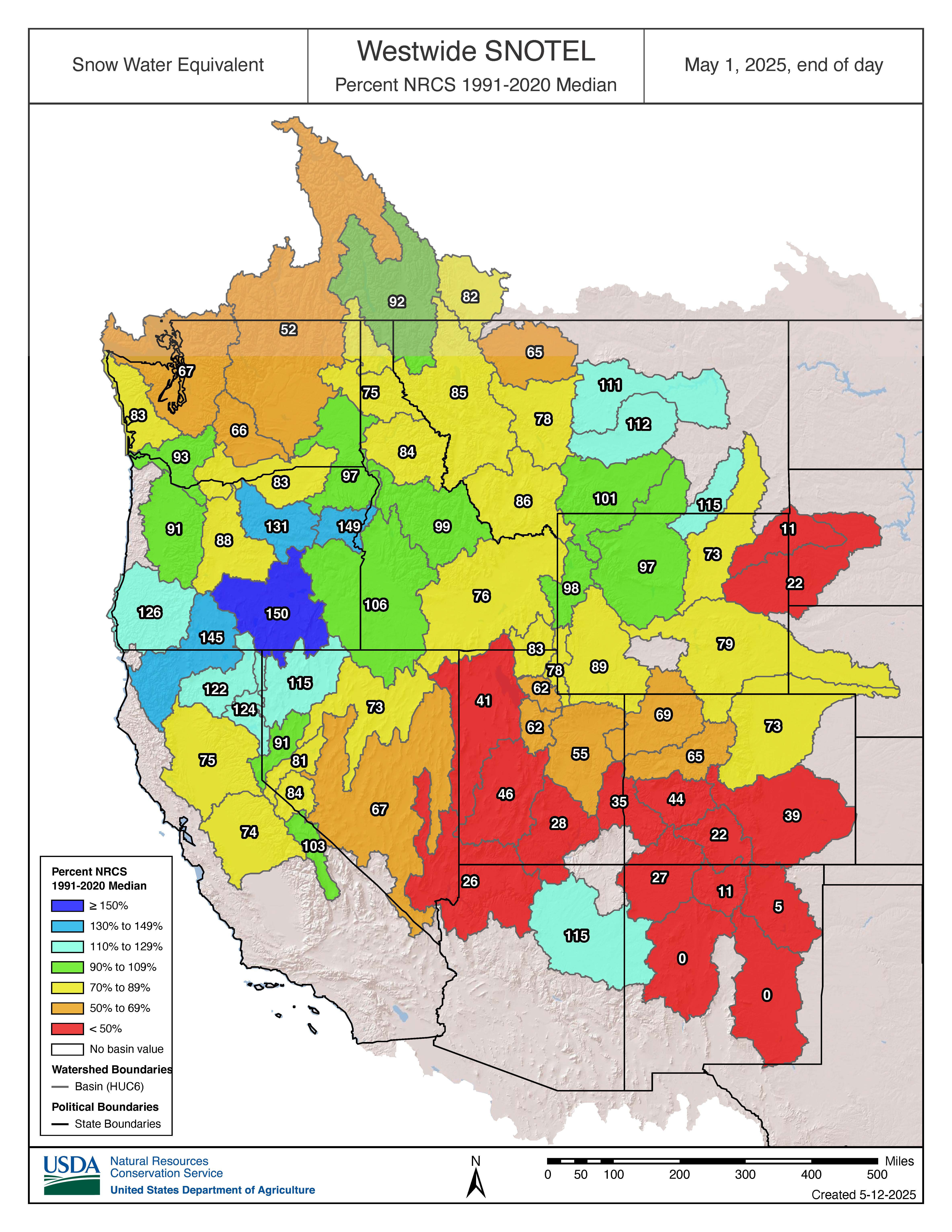
May 1 snow-water equivalent (SWE) was below to much below normal for the majority of the region, with less than 50% of median conditions in southern Colorado, southern and western Utah, and northeastern Wyoming. The rest of Colorado and Utah, and much of Wyoming, experienced 50-89% of median conditions. However, northwestern Wyoming experienced near normal conditions (90-109%), and the Tongue River Basin in northern Wyoming saw above normal conditions.
As of May 1, statewide percent median SWE was 58% in Colorado, 66% in Utah, and 86% in Wyoming. The Tongue River Basin in Wyoming had the highest percent median SWE in the region at 112%. The basins with the lowest percent median SWE were the Escalante and Southeastern Utah River Basins in Utah, and the Belle Fourche and Cheyenne River Basins in Wyoming, all at 0% since they melted out. Peak SWE was observed on April 7 for Colorado (13.7 in), March 24 for Utah (14.2 in), and April 7 for Wyoming (16.3 in).

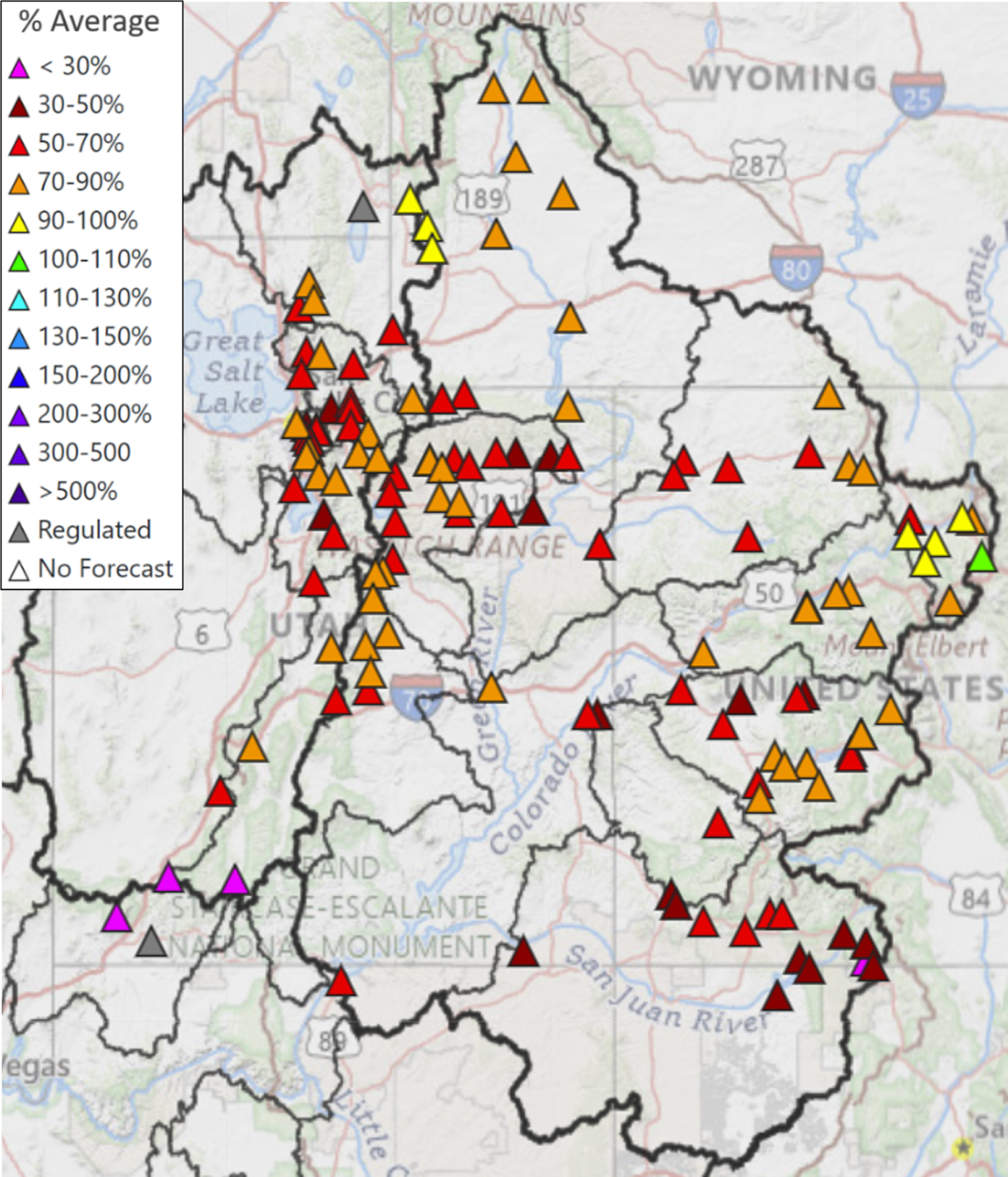
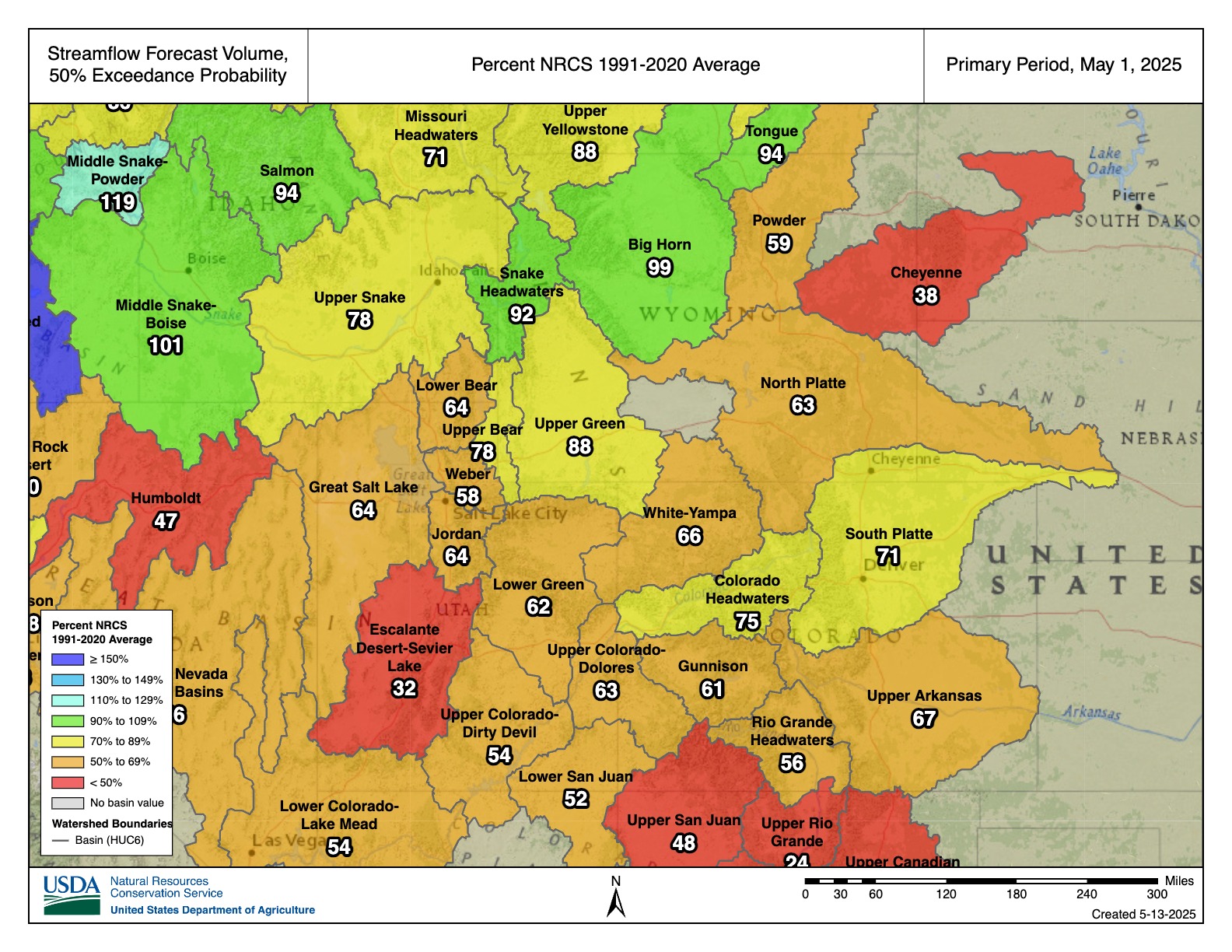
May 1 seasonal (April-July) streamflow volume forecasts are mostly below to much below average for the region. Most river basins have much below average forecasts (50-69%), particularly in Colorado and Utah. Forecasts are below average (70-89%) for the Upper Colorado, Gunnison, Lower Green, Price, Provo, Upper Green, and Yellowstone River Basins. Forecasts are exceptionally below average (<50%) for the Dolores, San Juan, Duchesne, Sevier, and Virgin River Basins. There are some basins with near average forecasts (90-109%) in Wyoming, including the Bighorn, Shoshone, Snake, Tongue, and Wind River Basins. Seasonal streamflow is forecasted at 55% of average for Lake Powell.

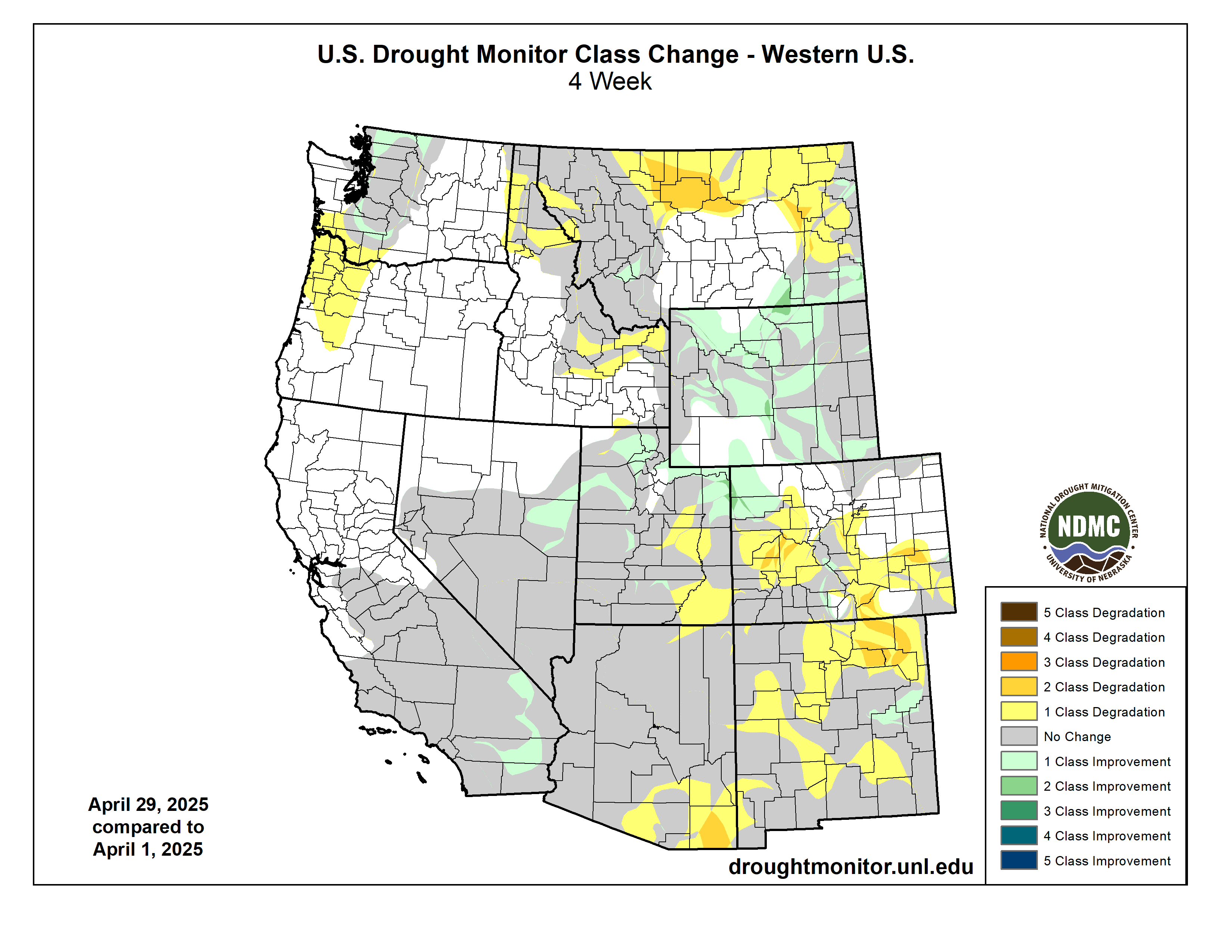
From the beginning to the end of April, regional drought coverage remained at 54%. Drought coverage expanded by 12% in Colorado, with extreme (D3) drought developing on the West Slope in Mesa, Delta, and Montrose Counties. Drought conditions improved in Utah by 4% and in Wyoming by 10%.

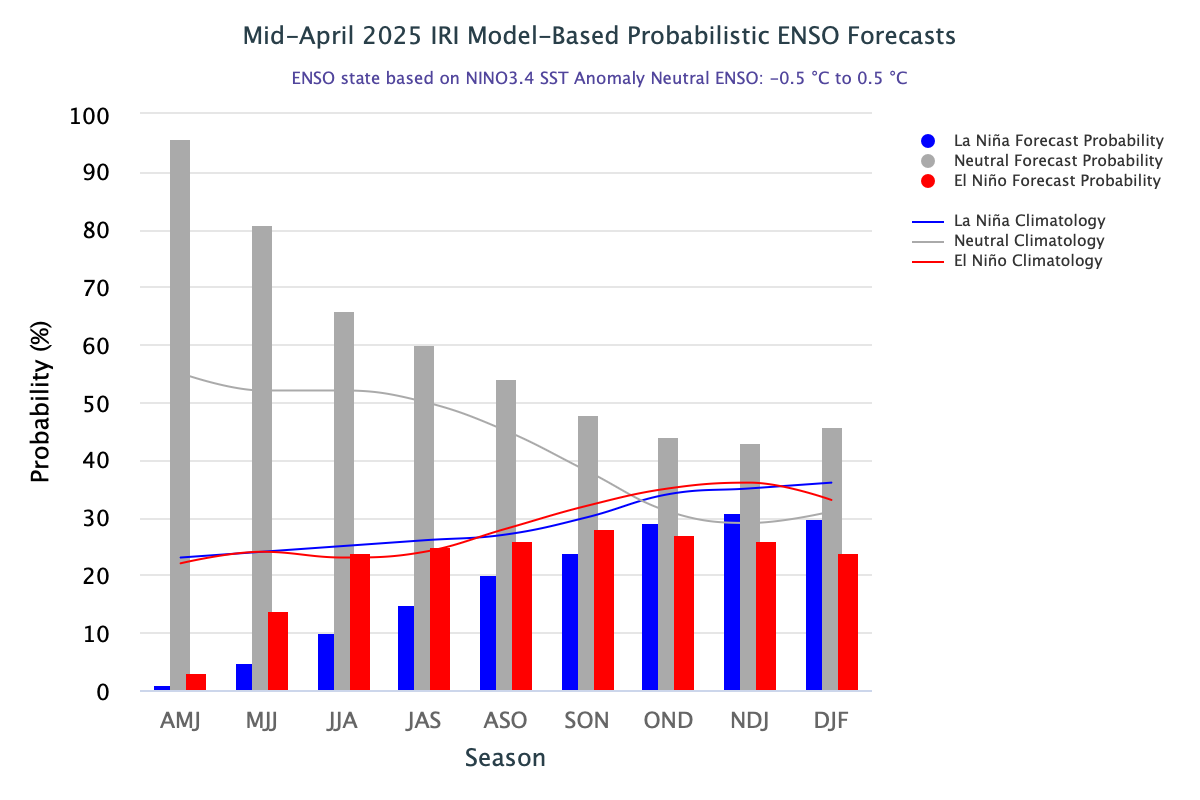
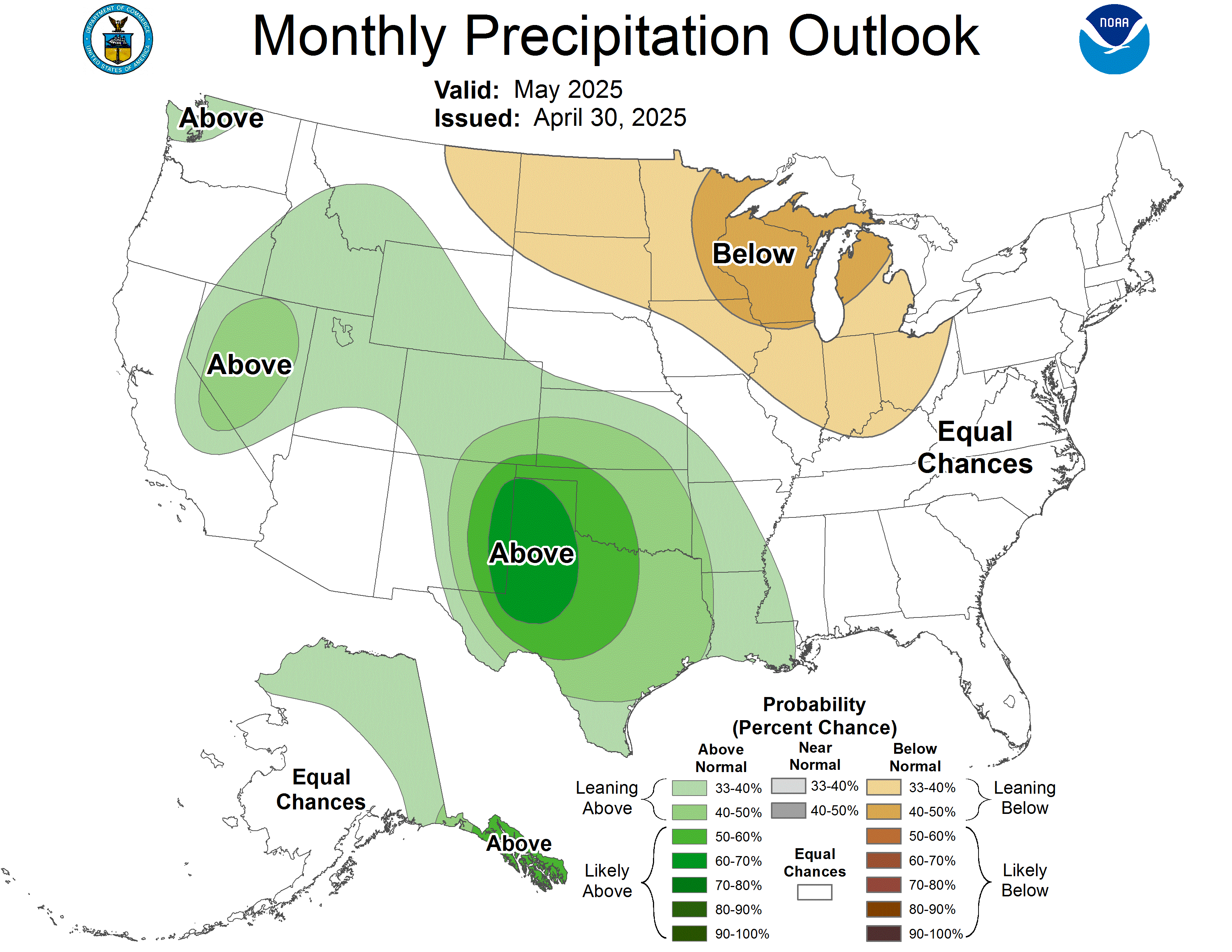
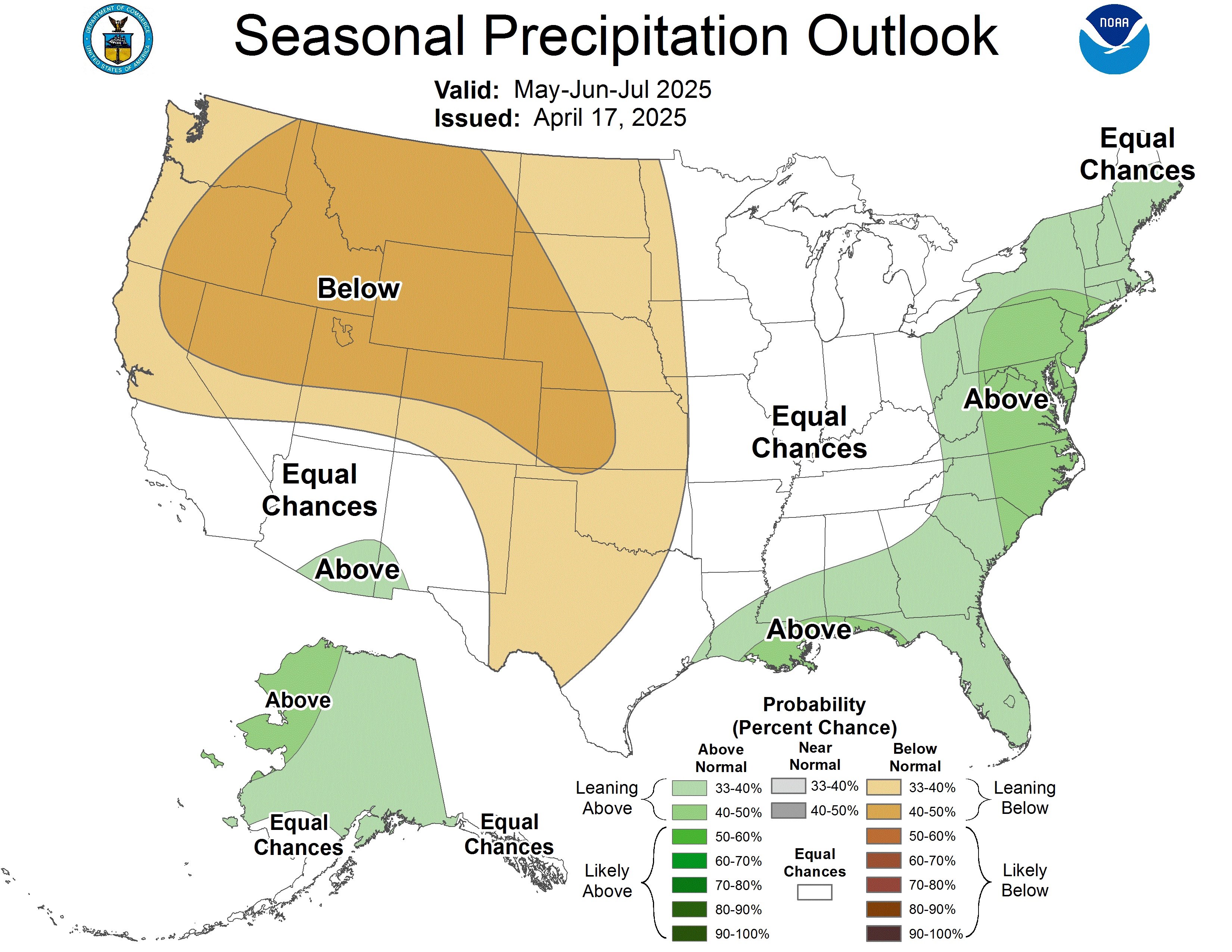
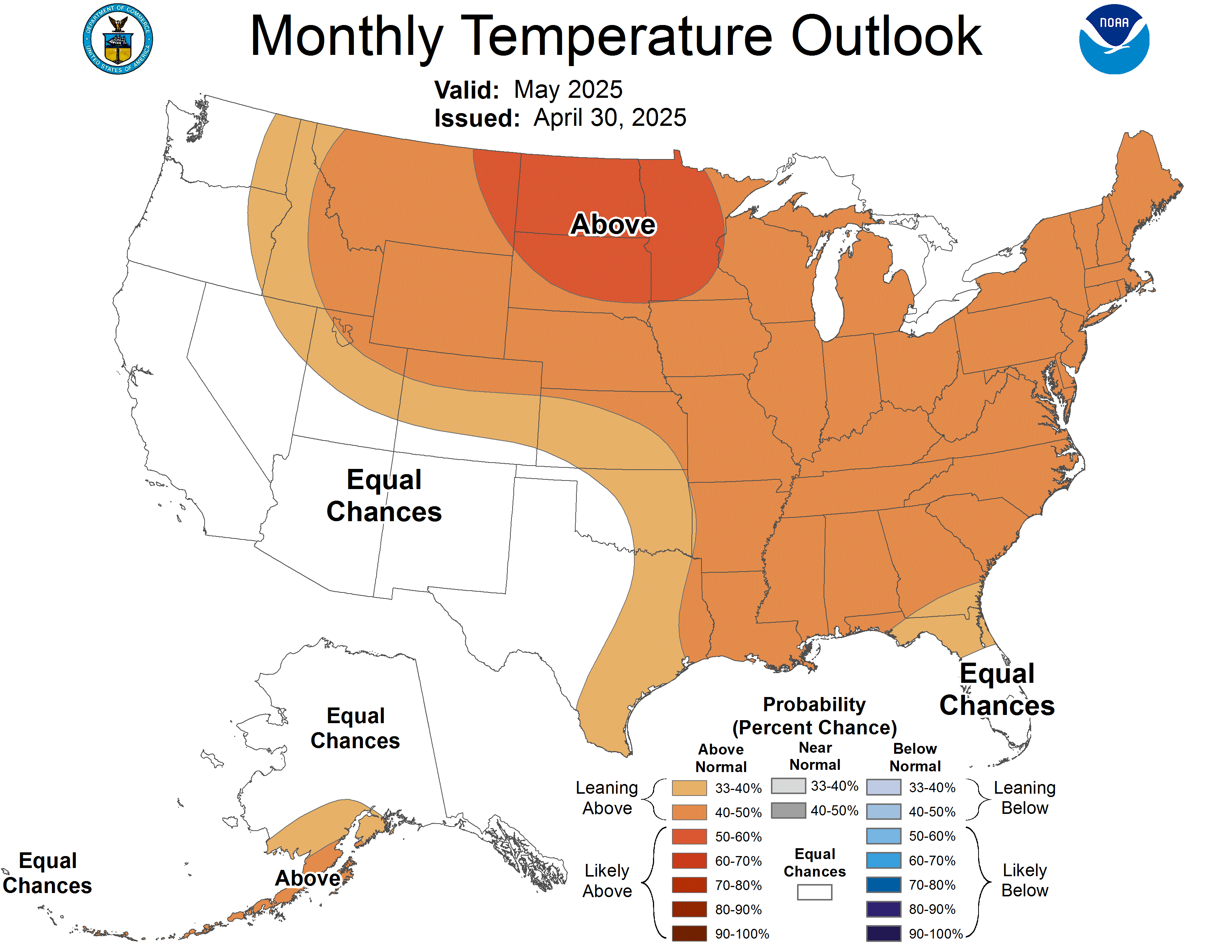
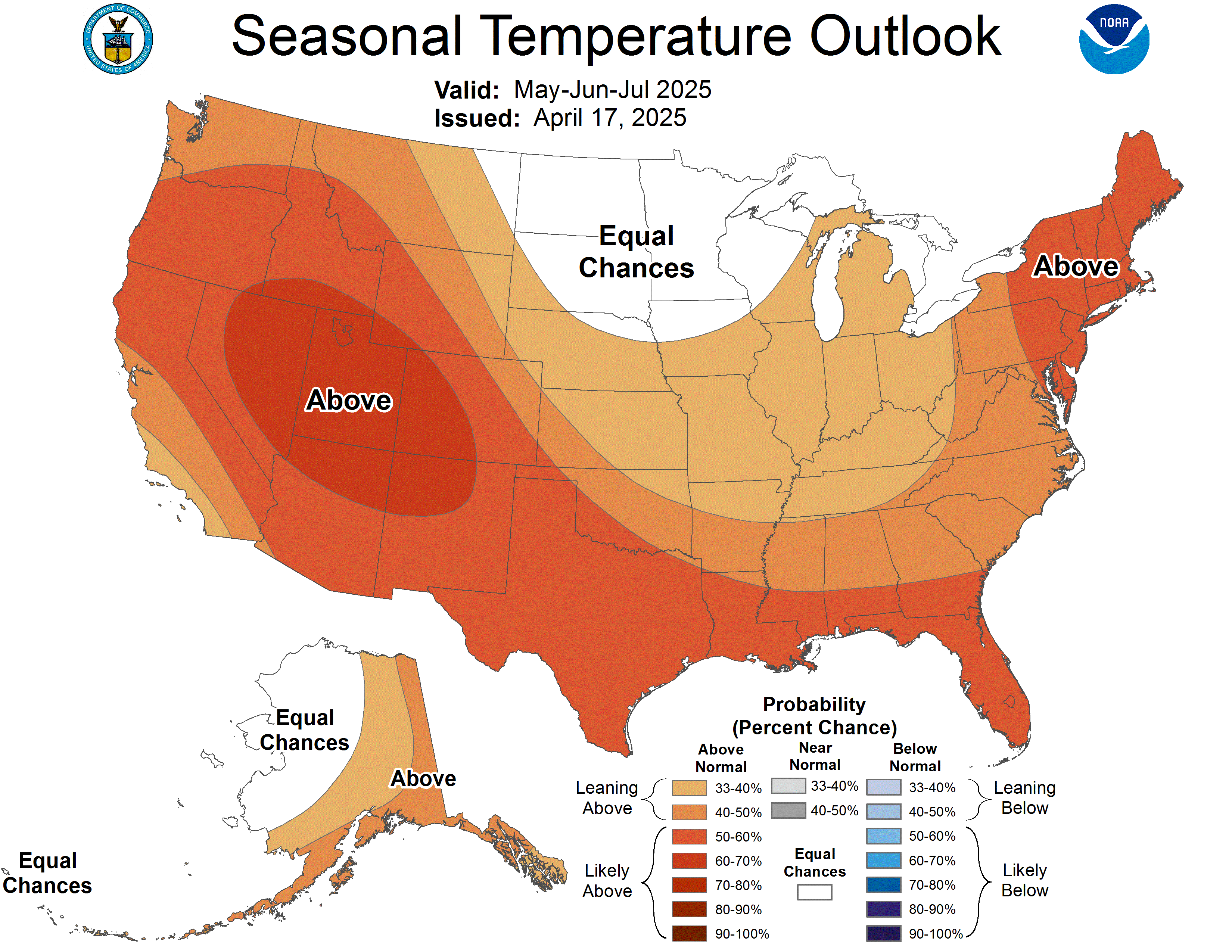
ENSO-neutral conditions continued in April, and ENSO-neutral conditions are favored through the summer with chances exceeding 50% through early fall. The NOAA monthly outlook for May suggests an increased probability of above average precipitation, particularly in southeastern Colorado, and above average temperatures, particularly in Wyoming. The NOAA seasonal outlook for May-July suggests an increased probability of below average precipitation, particularly in Wyoming, northern Colorado, and northern Utah, and above average temperatures, particularly in Utah, western Colorado, and southwestern Wyoming.